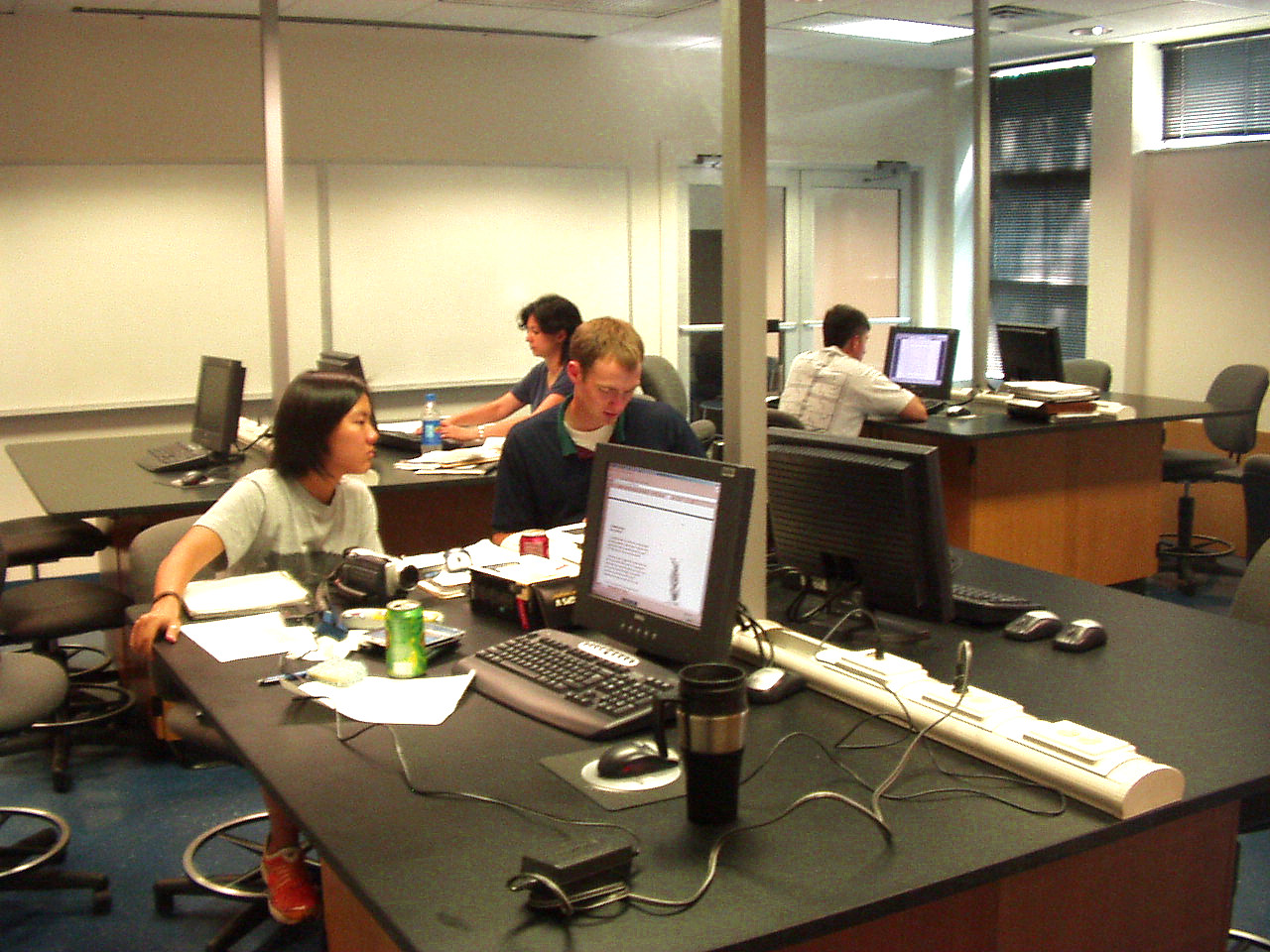


A degree in Biosystems Engineering is no longer just preparation for a career in engineering. Many professional schools (medical, dental, veterinary, legal, and others) have realized that the rigors of an engineering curriculum prepare you for almost any challenge. These schools love the 'can-do' attitude of engineering graduates, their ability to solve problems, and their proven ability to learn. Students with a BS in engineering score very well on standardized entrance exams, and have high acceptance rates to professional schools across the country. If you decide later against going into a professional school, you still have a very marketable degree.
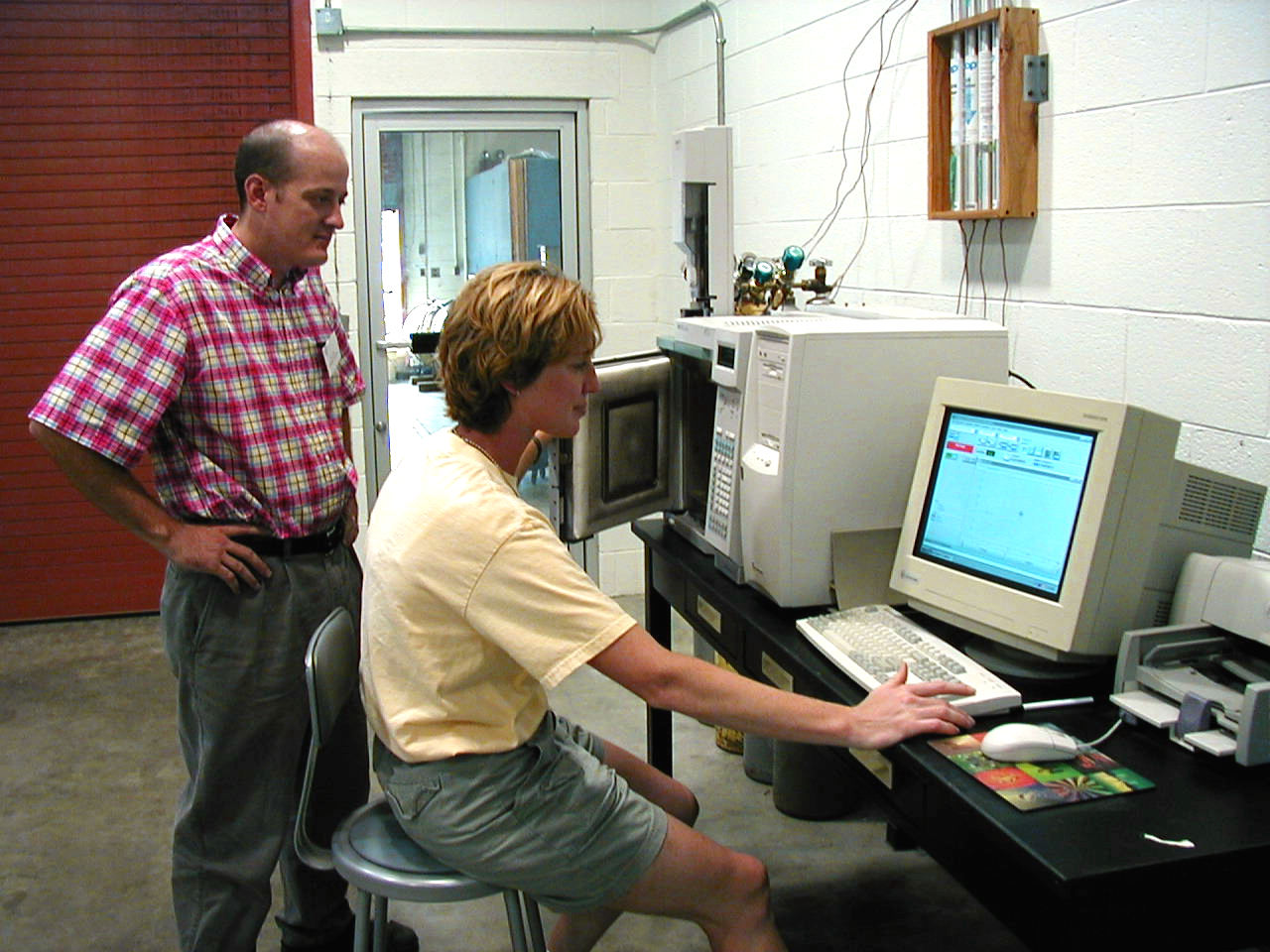
Biosystems Engineering is one of the best routes for this because of the diverse engineering background it provides. Many of the most gifted engineers throughout history have been successful precisely because they understood a diverse range of engineering concepts, and could integrate that knowledge in new and startling ways. Biosystems Engineering is the most integrative engineering available today. It combines elements from biological, environmental, mechanical, civil, electrical, chemical, and other engineering disciplines to produce a broad skill set. Biosystems Engineering then adds the peripheral skills needed to be successful in an engineering career – intensive design projects, computer and graphics training, presentation skills, engineering economics, and practical teamwork.
With this broad foundation, Biosystems Engineering students are uniquely positioned to focus on almost any area of engineering that interests them. They have the background to successfully tackle complex problems involving people, the environment, and natural resources. These are the same valuable skills required in a subsequent professional program.
The main emphasis of the Pre-Professional Concentration is to prepare you for acceptance to a professional program. Graduates of Biosystems Engineering and similar programs have been particularly successful in admission to medical and law schools, but have also had success with dental and veterinary programs. If you have the goal of entering a specific school, your advisor will work with you to develop a program that best meets the BS curriculum requirements while giving you the background that the professional school requires.
Engineering is a career path that works! More than 3 million engineers work in the U.S. today, making engineering the nation’s second-largest profession. According to the Department of Labor, the job market is projected to remain strong well into the millennium. As a Biosystems Engineer in the Pre-Professional concentration, you will also be positioning yourself for many other opportunities in the career path of your choosing.
As a Biosystems Engineer, if you later choose not to pursue professional school, you have available an unusually diverse range of job opportunities. You will be well prepared to lead a team as a project engineer because of your broad engineering background. You could also choose to design products or processes in a variety of manufacturing and service industries. You might consider working as a consultant, in product marketing, or for a management services firm. Government agencies and educational and research institutions also employ many Biosystems Engineers. You will be particularly qualified to work at the interface of technology and living systems – whether in food and fiber production, environmental issues, or in a biological context.
Because Biosystems Engineering programs vary in name, incorporate differing amounts of other engineering disciplines, and lead to diverse career paths, historical salary statistics are limited.
According to a recent salary survey, bachelor's degree candidates received starting offers averaging $52,000 a year and master's degree candidates, on average, were offered $57,000.
Earnings for students with a B.S. in Biosystems Engineering who pursue a subsequent professional degree are not specifically reported, but are likely to be substantially higher.
High School Preparation
Successful Biosystems Engineering students typically have a good high school background in math, physics, and chemistry. Freshman admission to the program requires 3 ½ units of math, including trigonometry and geometry, in addition to the general admission requirements of the University.
A strong background in these areas will enable you to more easily begin your college work. If you are able to earn advanced placement credit in some of these areas, you may have additional options later in your degree program. These could include taking specialized courses that interest you, working in a lab, or contributing to a research project -- providing valuable experience and improving your employment opportunities.
Our students tend to be problem solvers who like to 'figure out' how things work, and often have good spatial skills. Other useful traits are good communication abilities (both written and verbal), experience with computers, and technical hobbies. Admission chances are enhanced by high ACT/SAT scores and a solid high school transcript.