Common Milkweed (Asclepias syriaca)
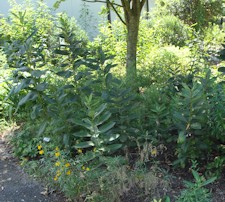
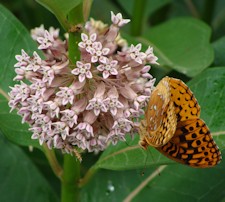 In 2014, the University of Tennesse Arboretum Society established a Monarch Waystation in the Visitors Center Wildflower Garden to help conserve and protect habitat for declining populations of Monarch Butterflies. Common Milkweed is an important element of this habitat, providing food and shelter for Monarch Butterfly caterillars and adults. Common Milkweed is found in fields, along roadsides, and other open, disturbed habitats throughout the eastern U.S. It may grow to heights of 6 feet and has broad green leaves up to 6 inches in length. The pinkish flowers appear in early summer and attract a variety of butterflies, bees and other insects. The greenish fruits turn brown in late summer and release large numbers of fluffy seeds that are dispersed by the wind.
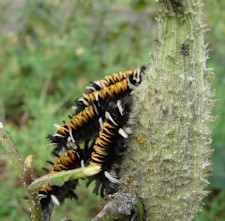
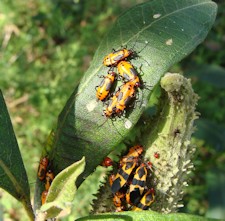 The milky sap contains cardiac glycosides that are poisonous to some insects and birds. Monarch Butterfly caterpillars, however, can feed on Milkweed without ill effect. The glycosides that are incorporated into their bodies discourage predators from feeding on them. In late summer orange and black Milkweed Bugs and Milkweed Tussock Moth Caterpillars are often conspicuous feeding on Milkweed pods and leaves.
Return to Wildflowers List
|
